Frozen French Fries Supplier for Malaysia: Sourcing from India for Port Klang, Penang and East Malaysia
An Indian frozen fry supplier ships to Malaysia by reefer from the Gujarat ports into Port Klang, Penang or the East Malaysian ports. The Malaysian importer registers the consignment in FoSIM and clears a risk-based inspection. The supplier's part is a halal certificate from a body on JAKIM's recognised list, label data for the Food Regulations 1985, and a certificate of origin in the right form. Check the halal body first: without it the pack cannot be marked halal.
Published 2026-10-09 · FirstFry Export Desk · Sourcing & supplier qualification
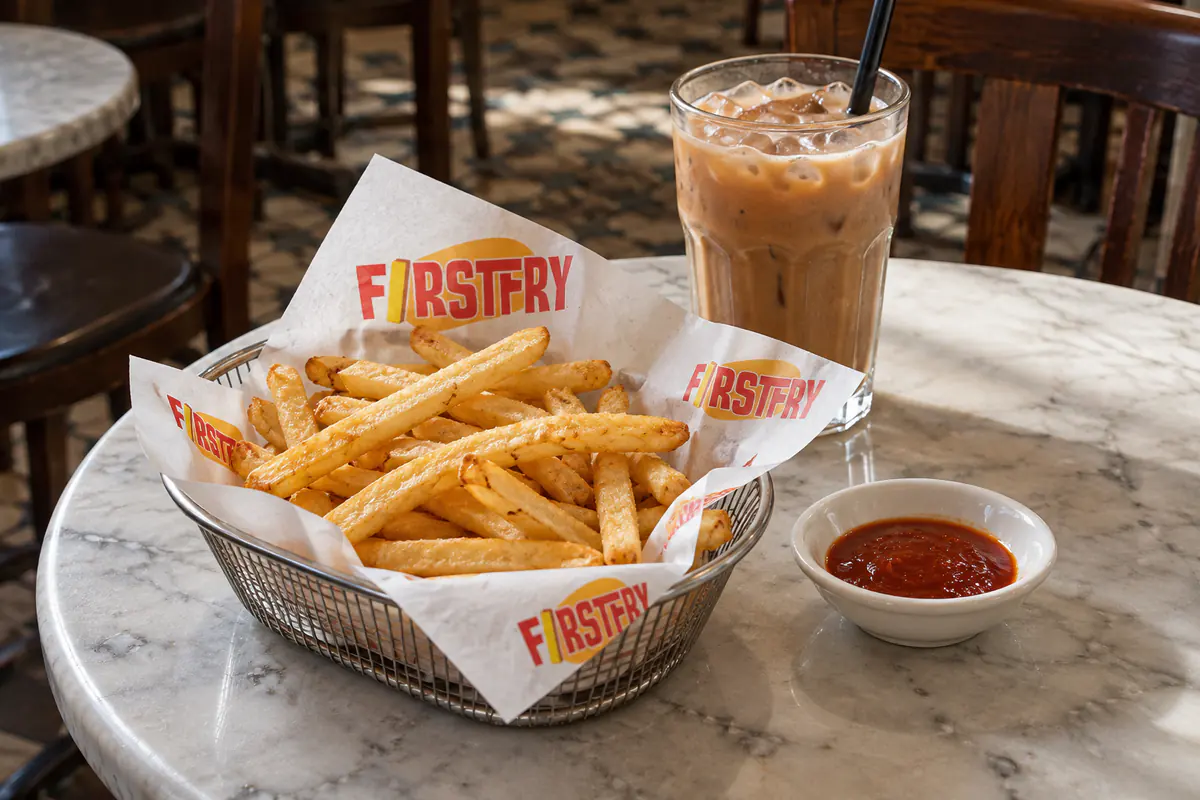
Malaysia buys frozen fries for fast food, for mamak and kopitiam menus, for hotel breakfasts and for supermarket freezers, and nearly all of that trade is halal. A buyer choosing an Indian supplier therefore starts in a different place from a buyer in Thailand or Vietnam. The plant's food safety certificate matters, but the document that decides whether the product can be sold the way the buyer wants is the halal certificate, and specifically who issued it.
This page is for a Malaysian importer, distributor or foodservice group comparing suppliers. The regulatory steps themselves, from FoSIM to the Food Regulations 1985 label, are in importing frozen french fries into Malaysia.
The supplier test: whose halal logo goes on the pack
The Trade Descriptions (Certification and Marking of Halal) Order 2011 controls the word. Imported food cannot be described or marked as halal in Malaysia unless it was certified by a foreign halal certification body that JAKIM recognises. A certificate from any other body may be perfectly genuine and still leave you with a pack that has to be sold without a halal mark, which for most Malaysian channels means it cannot be sold.
JAKIM publishes the recognised bodies country by country and amends the list by gazette. It changed in 2026, and bodies are added and removed. So the check is always made against the live list on the JAKIM halal portal, on the day the order is placed.
| Check | Why it matters | What to ask for |
|---|---|---|
| The issuing body is on JAKIM's current list for India | Recognition belongs to the body, not to the supplier | The certificate, and the body's name exactly as gazetted |
| The certificate names the manufacturing site | A head-office or trading-company certificate does not cover the plant | The plant address on the certificate, matched to the address on the carton |
| The scope lists the products you are buying | Fries on the certificate do not cover a coated line or a patty | The product schedule attached to the certificate |
| The validity covers your production date | A certificate that lapses mid-order leaves later batches unmarked | Issue and expiry dates, and the renewal status if expiry is near |
| The frying oil and any coating are inside the scope | Oil and carriers are where an animal-derived input could enter | The ingredient list with the oil named and a supplier declaration |
Do this before comparing prices, not after. How to read a halal certificate explains each field. If you plan private label, the answer also decides the artwork, because the logo printed on your film is the foreign body's logo and must match the certificate.
The first consignment will be looked at
Malaysia does not approve food products one by one. The importer registers in the Food Safety Information System of Malaysia, FoSIM, and declares each consignment there alongside the customs declaration. At the entry point the system assigns one of six examination levels, running from automatic release at Level 1, through hold, test and release at Level 5, to prohibition at Level 6.
A new importer, a new product or a new origin has no history in the system, so plan for the opening container to be examined and possibly sampled. That is a supplier question as much as an importer one. The cartons have to match the documents, the label has to match the Food Regulations 1985, and the certificate of analysis has to be for the batches in the box. Build a few extra days into the first delivery promise and none into the later ones if the first clears cleanly.
Two origin certificates, and the broker picks
India and Malaysia trade under two agreements at once. The ASEAN-India Trade in Goods Agreement has applied since January 2010 and is being renegotiated, with both sides aiming to finish that review in 2026. The India-Malaysia Comprehensive Economic Cooperation Agreement has applied since July 2011. Each has its own tariff schedule, its own rules of origin and its own certificate form.
For a buyer this means one instruction to the customs broker: check the rate for the 2004.10 line under both agreements and under the ordinary tariff, and tell the supplier which form to apply for. The certificate is issued in India before the vessel sails and cannot be swapped for the other form afterwards. We do not print duty percentages on country pages, because they change and a stale figure costs more than no figure. The broker's reading on the day is the one to use.
Peninsular Malaysia, Sabah and Sarawak
A distributor covering the whole country is running three cold chains. Port Klang and Penang serve the peninsula, and Johor is reached from Tanjung Pelepas or Pasir Gudang. Sabah and Sarawak are landed through their own ports, and moving frozen stock across the South China Sea from Klang means a second sea leg and a second set of reefer handovers.
The entry-point arrangements differ as well. The quarantine and inspection service, MAQIS, was set up by a 2011 Act that covers Peninsular Malaysia and Labuan, while Sabah and Sarawak keep their own state departments for quarantine matters. Food safety control under the Food Act 1983 applies nationally. For an East Malaysian programme, have the importer confirm the procedure at the port of discharge before the booking is made, and ask the supplier to quote that port directly instead of assuming Klang.
Cuts that open a Malaysian programme
- Straight-cut fries for fast food, western stalls and delivery: Classic Fries in the 7-10mm range
- Crinkle cut for supermarket freezers and sauced dishes, where the ridges hold seasoning
- Hash browns for hotel and cafe breakfast sets
- Wedges for sharing plates and set meals
Most first orders are one or two of these. A mixed container keeps the opening range wide without committing a full load to an untested cut.
What to ask before you ask the price
- Which body issued your halal certificate, and is it on JAKIM's list today?
- Does the certificate name this plant and these products?
- What is the frying oil, and are any coatings or seasonings used on the line?
- Which origin certificate form can you issue, and how long before sailing must it be requested?
- Will you supply label data in the form our Bahasa Malaysia or English label needs?
- Can you quote Port Klang, Penang and an East Malaysian port separately?
- What shelf life remains on arrival, counted from the production date printed on the carton?
From first enquiry to first container
- Screen the halal certificateBody, plant, scope and dates, checked against the JAKIM list.
- Agree the specificationCut, grade, oil, pack format and shelf life, in writing.
- Settle the labelThe importer finalises the Food Regulations 1985 label from the supplier's data, including the halal logo.
- Choose the origin formThe broker compares the two agreements and tells the supplier which certificate to apply for.
- Approve samplesFry them in your own kitchen, in your own oil, at your own holding time.
- Ship one containerRoughly 10 to 12 tonnes in a 20 ft reefer or 20 to 24 tonnes in a 40 ft high-cube, with a data logger in the load.
- Review the first clearanceNote the examination level and anything the officers queried, and fix it before the second order.
Where FirstFry fits
FirstFry Foods India Private Limited manufactures frozen french fries and potato specialties in Morbi, Gujarat, and loads through Mundra and Kandla. For a Malaysian buyer we send the certification documents with the issuing body named, so recognition can be checked directly, together with specifications, ingredient and nutrition data for the label, and the origin certificate in the form your broker asks for. The range we export, with specifications is published. If Malaysia is one of several markets you serve, the Southeast Asia supplier guide compares how each one is opened.
Frequently asked questions
Can an Indian manufacturer supply frozen french fries to Malaysia?
Yes. Indian frozen fries ship by reefer container from the Gujarat ports to Port Klang, Penang and the East Malaysian ports. The Malaysian importer registers the consignment in FoSIM and clears a risk-based inspection. The supplier provides the halal certificate, label data and a certificate of origin.
Which halal certificate is accepted for frozen fries in Malaysia?
One issued by a foreign halal certification body that JAKIM recognises. Under the Trade Descriptions (Certification and Marking of Halal) Order 2011, imported food cannot be marked halal in Malaysia otherwise. JAKIM's list is amended from time to time, so check the issuing body against the current list on the JAKIM portal.
Will the first container of frozen fries be inspected in Malaysia?
Plan for it. Malaysia uses risk-based examination levels assigned through FoSIM, from automatic release to hold, test and release. A first-time importer, product or origin has no compliance history, so the opening consignment is more likely to be examined and sampled than later ones.
Is there a preferential duty for Indian frozen fries in Malaysia?
There may be. India and Malaysia trade under both the ASEAN-India Trade in Goods Agreement and the India-Malaysia Comprehensive Economic Cooperation Agreement, each with its own certificate of origin. A Malaysian customs broker should compare the rate for the 2004.10 tariff line under both and tell the supplier which form to issue.
Sourcing frozen fries for Malaysia?
Tell us your port, cuts, pack format and whether the packs will carry a halal mark. We will send the certification documents, specifications and label data, and quote against the port you name.
Email BuyFry@FirstFryFoods.com or request a quote. The export desk replies within one business day.