Halal Certification for Frozen Fries: What Importers Actually Need to See
Plain frozen french fries fried in vegetable oil contain no animal-derived ingredient, so halal certification is rarely a strict legal condition of import the way it is for meat. It is, however, a near-universal commercial condition: distributors in Muslim-majority markets request halal documentation regardless of category. The requirement becomes genuinely technical when a coating, seasoning or frying medium contains an animal-derived component, or when the line also runs meat-bearing products.
Published 2026-06-22, updated 2026-07-31 · FirstFry Export Desk · Importing, duties & compliance
This is one of the most misunderstood questions on a frozen fry export desk, because two different questions get asked with the same word. Is this product halal? and do you have a halal certificate a Gulf distributor will accept? have different answers, and conflating them is how importers end up with a certificate that nobody at the destination recognises.
Where halal actually bites in a potato product
Halal regulation is built primarily around animal slaughter and animal-derived ingredients. A par-fried potato fry made from potatoes, vegetable oil and, in most cases, a dextrose dip and a stabiliser has no animal input at any stage. That is why plain fries do not sit in the same regulatory bracket as poultry or beef.
But there are four places where a potato product genuinely can fail, and all of them are worth checking on a specification sheet before you rely on a general assumption.
| Point in the process | What to check | Why it matters |
|---|---|---|
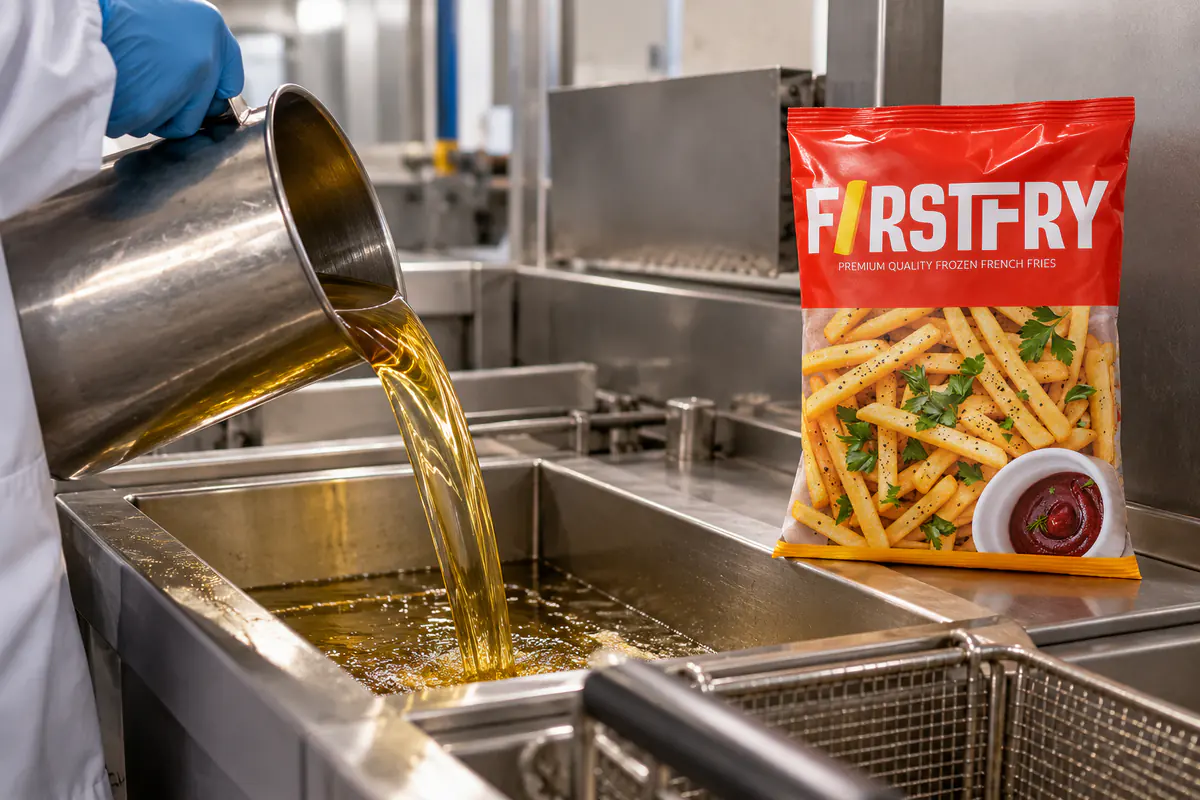
| Frying medium | The oil type, and whether it is exclusively vegetable | Animal fat or a blend changes the answer entirely |
| Coating / batter | Full ingredient breakdown of the coating system | Coatings can carry animal-derived proteins or emulsifiers |
| Seasoning and flavouring | Flavour house declaration, including carriers | Carriers and flavour bases are the usual hidden source |
| Shared production line | What else runs on the line, and the changeover procedure | Cross-contact with a meat-bearing product is a real objection |
| Processing aids | Anti-foam agents, release agents, enzymes | Rarely declared on a label but assessed during certification |
The certificate is only as good as its recognition
This is the point most first-time importers miss. Halal certification is issued by certification bodies, and destination authorities maintain lists of the bodies whose certificates they accept. A certificate from a body your destination does not recognise has no clearance value, however legitimate the underlying audit was.
Recognition is one of several requirements that differ between Gulf states despite the customs union. The GCC frozen potato market sets out the recurring compliance points alongside the demand picture.
So the useful question to a supplier is never "are you halal certified?" It is:
- Which certification body issued it
- Which destination authorities recognise that body, currently
- What is the scope — the whole facility, a product family, or a named SKU list
- Which SKUs are named on the certificate
- What are the validity dates, and when is the next audit
Get the certificate document itself, with its number, and have your importer confirm the certifier appears on the destination's accepted list. Recognition lists change; a certificate that cleared last year is not self-evidently valid this year.
How to read a halal certificate
| Field | What good looks like | Common problem |
|---|---|---|
| Certificate number | Unique, verifiable with the issuing body | No number, or one that cannot be checked |
| Certified entity and address | Matches the manufacturing site exactly | Names a trading company, not the factory |
| Scope | States products or product families covered | Vague scope that does not name your SKU |
| Product list | Your specific SKUs appear | A generic 'food products' line |
| Issuing body | On the destination authority's recognised list | Recognised somewhere, but not where you are importing |
| Validity period | Current, with the expiry clearly stated | Expired, or expiring mid-shipment |
| Signature and stamp | Authorised signatory of the certifier | Unsigned scan of unclear provenance |
One practical rule: if the certificate names a trading company rather than the manufacturing site, it does not tell you anything about how the food was made. Insist on facility-level certification with the plant address on it.
Market by market, in broad terms
Requirements vary and are revised, so treat the following as the shape of the landscape rather than a compliance instruction — and confirm current rules for your destination:
- GCC markets apply halal requirements most strictly to meat and animal-derived products, while distributors commonly request documentation across all food categories. See the Saudi registration route and importing into the UAE for how it sits inside each registration file
- Malaysia and Indonesia operate mature, formalised halal systems with their own authorities and recognition arrangements, and buyers there are typically the most exacting about certifier recognition
- African markets vary widely, and the requirement is frequently driven by the distributor's own customer base rather than by an import rule
What we can and cannot tell you
A deliberate note on how this article is written. We describe what an importer should verify and what makes a certificate useful. We do not assert certification status on this blog, because a certification claim published on a website is a claim a buyer will rely on and an auditor will test.
Current certification documentation is shared directly during supplier qualification, with the certificate number and validity dates, so your compliance team can verify it with the issuing body rather than taking a marketing page's word for it. That is the standard we would want applied to any supplier we bought from, and it is the standard covered in the wider import compliance framework.
A checklist for your enquiry email
- Ask for the frying medium in writing — oil type, and confirmation it is exclusively vegetable
- Ask for full ingredient breakdowns of any coating and seasoning, including carriers
- Ask what else runs on the same line and how changeover is handled
- Ask for the halal certificate document, with number, scope, SKU list and validity dates
- Have your importer check the certifier against the destination's recognised list
- Confirm the certificate's expiry falls well beyond your shipment and clearance window
Six questions, answerable by email, before any commercial discussion. A supplier who answers them precisely has dealt with Muslim-majority markets before. Specifications for our frozen fry range and spec sheets are published so the first three can be answered from the website alone.
Frequently asked questions
Are frozen french fries halal?
Plain frozen french fries made from potatoes and fried in vegetable oil contain no animal-derived ingredient, so they do not raise the questions a meat product does. The answer changes if a coating, seasoning, flavouring or the frying medium contains an animal-derived component, or if the line also runs meat-bearing products without adequate changeover control.
Do frozen fries legally require halal certification to be imported?
In most markets the strict legal requirement centres on meat, poultry and products containing animal-derived ingredients rather than on plain potato products. In practice halal documentation is requested as a commercial condition by distributors and foodservice buyers in Muslim-majority markets regardless of category, so exporters treat it as a requirement rather than an option.
Why does it matter which body issued the halal certificate?
Destination authorities maintain lists of certification bodies whose certificates they accept. A certificate from a body that a particular market does not recognise has no clearance value there, however sound the underlying audit was. Always confirm the certifier appears on the destination's current recognised list rather than assuming a certificate travels everywhere.
What should a halal certificate actually say?
A unique verifiable certificate number, the certified entity and manufacturing site address, a clearly stated scope, the specific products or SKUs covered, the issuing body, current validity dates and an authorised signature. A certificate naming a trading company rather than the factory tells you nothing about how the food was produced.
Does the frying oil affect halal status?
Yes, and it is the single most important thing to confirm in writing. A fry cooked in exclusively vegetable oil sits in a very different position from one cooked in animal fat or a blend. Ask for the oil type as a written specification point rather than inferring it from the product description.
Need the documentation to verify?
Tell us your destination market and the SKUs you are evaluating, and we will send the frying medium and full ingredient breakdowns along with current certification documentation, including numbers and validity dates, so your compliance team can verify it directly with the issuing body.
Email BuyFry@FirstFryFoods.com or request a quote. The export desk replies within one business day.