Importing Frozen Fries into the Philippines: FDA Licence to Operate and CPR
Importing frozen french fries into the Philippines requires two sequential approvals from the Food and Drug Administration. First the importing company obtains a Licence to Operate (LTO), which authorises it to import and distribute regulated food products. Only then can it register each individual product variant for a Certificate of Product Registration (CPR), which is what permits that specific product to be sold. The LTO must exist before any CPR application.
Published 2026-07-15, updated 2026-09-23 · FirstFry Export Desk · Importing, duties & compliance
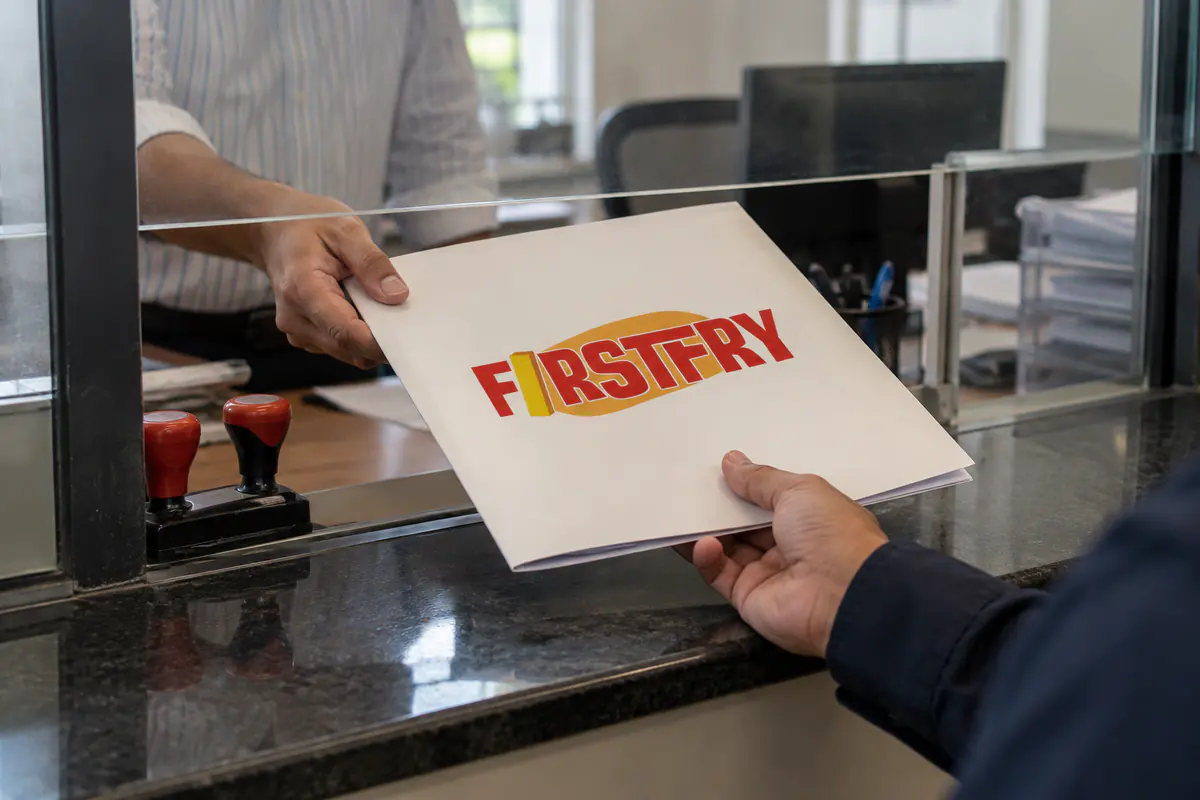
The Philippines combines the two models seen elsewhere in Asia: a business licence like Singapore's, and per-product registration like the Gulf's. You need both, and they are strictly sequential. An exporter who starts gathering product documents before confirming the importer's LTO status is preparing for a step that cannot yet happen.
Step 1 — The importer's Licence to Operate
The LTO is the FDA authorisation permitting a company to engage in importation, distribution and sale of regulated food products. It belongs to the Philippine entity, not to you and not to the product.
For a foreign exporter the diligence is short and worth doing before any commercial discussion:
- Ask for the importer's LTO number and validity dates
- Confirm the LTO covers importation and distribution of the relevant product category
- Ask how many CPRs they currently hold, and for what — it tells you whether they have run this process before
- Ask who prepares their CPR dossiers, in-house or a consultant
- Confirm the renewal date, so an expiry does not land mid-programme
Step 2 — Certificate of Product Registration, per variant
Once the LTO is in place, each individual product variant is registered for a CPR. This is the permit that allows that specific product to be sold in the Philippine market.
The word doing the work is variant. Buyers routinely assume one CPR covers "our fries". It does not necessarily cover a different cut, a different pack size, or a differently formulated coated line. Confirm with your importer exactly what counts as a separate variant for your range before you plan a mixed container.
| Document | What it supports |
|---|---|
| Product specification sheet | Product identity and physical parameters |
| Full ingredient declaration with percentages | Composition and label content |
| Nutritional analysis | Label panel |
| Shelf-life justification at −18 °C | The declared expiry |
| Certificate of analysis | Batch-level conformity |
| Manufacturer details and food-safety certification | Facility credibility |
| Free-sale or health certificate | Legal sale in the country of origin |
| Label artwork | Reviewed against Philippine requirements |
Step 3 — Planning the range around registration cost
Because CPRs are per variant, the Philippines punishes wide opening ranges more than most markets. A distributor who wants six SKUs on the first container is committing to six registration processes before a single case is sold.
The sensible pattern, and the one that gets a programme to revenue fastest:
| Approach | Registration load | Time to first sale |
|---|---|---|
| One SKU, one pack size | Lowest | Fastest |
| Two SKUs, one pack size | Moderate | Still reasonable |
| Full range on the opening container | Highest | Slowest — gated by the last CPR |
| Register narrow, widen after first clearance | Staged | Fastest to revenue, then scales |
If the commercial plan genuinely needs a mixed load, read ordering a mixed-SKU container alongside this — the loading arithmetic and the registration arithmetic pull in opposite directions and have to be reconciled deliberately.
Step 4 — Classification, duty and cold chain
Par-fried frozen fries classify under HS heading 2004.10. Confirm the Philippine tariff line and rate with a licensed broker, and ask whether any preferential treatment applies to Indian origin under the applicable regional arrangements — the preferential certificate of origin must be requested in advance.
- Set point −18 °C stated on the bill of lading
- Container pre-cooled before loading
- Routing named on the booking — Philippine services frequently tranship, and each transhipment is a plug-out risk
- Data logger fitted, readout released on arrival
- Reefer plug-in pre-arranged at Manila or your port of entry
- Production date printed on the carton
Supplying from India
FirstFry manufactures in Morbi, Gujarat and loads through Mundra and Kandla. We supply the exporter half of a CPR dossier — specification sheets, ingredient and nutritional data, shelf-life basis, certificate of analysis per batch, certificate of origin and health certificate — in the same form used for Gulf and Southeast Asian filings. Our specification library is published so your importer can scope the CPR work before committing, and most Philippine programmes open narrow with a single straight cut.
The per-variant CPR makes the Philippines one of the two slowest markets in the region to open. Supplying frozen fries to Southeast Asia from India shows where it sits against Malaysia, Singapore, Thailand, Vietnam and Indonesia.
For the sourcing side of the same decision — which cut to register first, whether to land at Manila, Cebu or Davao, and what to ask an Indian supplier — see choosing a frozen fries supplier for the Philippines.
Frequently asked questions
What is needed to import frozen fries into the Philippines?
Two sequential FDA approvals. First the Philippine importing company needs a Licence to Operate authorising it to import and distribute regulated food products. Then each individual product variant must be registered for a Certificate of Product Registration, which is what permits that specific product to be sold. A CPR cannot be applied for without a valid LTO.
What is the difference between an LTO and a CPR?
An LTO licenses the company — it authorises a Philippine entity to engage in importation, distribution and sale of regulated food products. A CPR registers a product — it permits one specific product variant to be sold in the market. The LTO is a prerequisite for the CPR, and the sequence cannot be compressed.
Does each pack size need its own CPR?
Potentially. Registration is per product variant, and what counts as a separate variant can include differences in cut, formulation and pack size. Confirm with your importer exactly how your intended range breaks down into variants before planning a mixed container, because the registration load scales with variant count rather than tonnage.
How should I plan my opening range for the Philippines?
Narrow. Because CPRs are per variant, a six-SKU opening container commits you to six registration processes before any revenue, and the programme is gated by the slowest one. Register a narrow opening range, ship it, then widen once the first clearance has proved the dossier format works.
Can a foreign exporter hold the LTO?
No. The Licence to Operate belongs to the Philippine importing entity, which is the party the FDA regulates and holds responsible. A foreign exporter sells to that licensed importer and supplies the technical documentation their CPR dossiers are built from.
Scoping a Philippine CPR dossier?
Tell us which variants your importer intends to register and we will send the specification, ingredient, nutritional and shelf-life documentation the dossier draws on — and an honest view on which opening range gets you to first revenue quickest.
Email BuyFry@FirstFryFoods.com or request a quote. The export desk replies within one business day.