Importing Frozen Fries into Canada: SFCR Licence, Preventive Control and Bilingual Labels
Frozen fries enter Canada under the Safe Food for Canadians Regulations. The Canadian importer must hold a Safe Food for Canadians licence, maintain a written preventive control plan covering imported food, and keep traceability records one step back and one step forward. Labels must be bilingual in English and French. There is no per-product registration; CFIA licenses and inspects the importing business.
Published 2026-08-23 · FirstFry Export Desk · Importing, duties & compliance
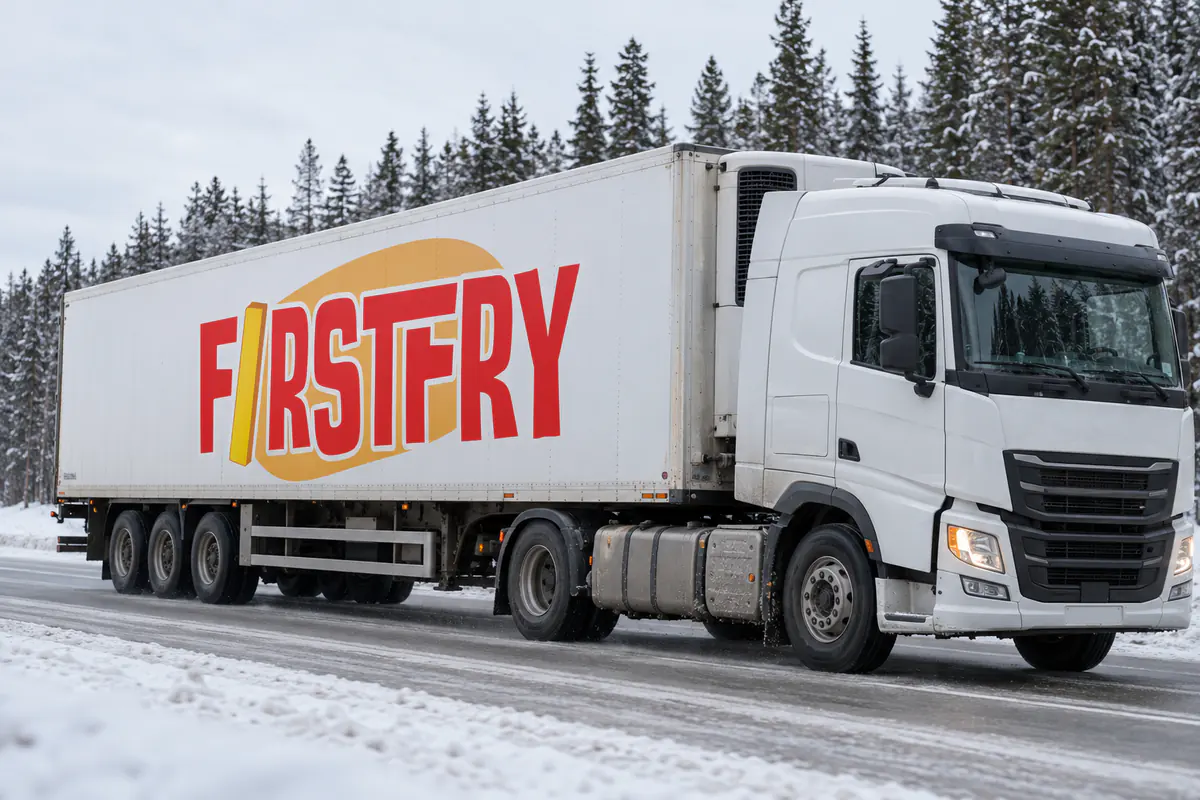
Canada is an unusual target market because Canada is a major producer. New Brunswick, Manitoba and Alberta run some of the largest frozen potato lines in the world, and two of the global majors are Canadian in origin. An Indian exporter walking into that market on a price-per-kilo argument alone will usually lose.
What does work is the same thing that works everywhere the incumbent is large: specificity. Canadian buyers who import from Asia are typically buying a format, a cut or a coating the domestic majors do not prioritise, or they are buying against a supply concentration risk they have been told to reduce. Both are real conversations. Neither starts with price.
Step 1 — The Safe Food for Canadians licence
Under the Safe Food for Canadians Regulations, a business that imports food into Canada for commercial purposes needs an SFC licence. The licence is held by the Canadian importer, applied for through CFIA's online portal, and is tied to the activities and commodities it covers. As the exporter you do not hold it, but you should confirm the buyer's licence covers importing the commodity you are shipping.
This is worth a direct question early. A distributor who has always bought domestically may not hold an import-scoped licence at all, and discovering that after the container has sailed is an expensive way to learn the difference.
Step 2 — Preventive control plan and traceability
The licence carries obligations. The importer must maintain a written preventive control plan describing how hazards are identified and controlled for the food they import, which in practice means documenting how they satisfied themselves about you. That is the Canadian analogue of the American FSVP file, and it is fed by the same evidence.
- A GFSI-benchmarked certificate with the audit report and current scope
- Your HACCP plan and the hazard analysis behind it
- Process controls for blanching, par-frying and freezing, with validation
- Allergen management, which matters most on coated and seasoned SKUs
- Lot coding that supports one-step-back, one-step-forward traceability
Traceability is where an exporter can quietly make themselves easy to buy from. Lot codes that map cleanly to a production date, a line and a raw material intake let a Canadian importer answer a CFIA question in an afternoon instead of a fortnight. Print them legibly on the carton, not only in the paperwork.
Step 3 — Bilingual labelling
Consumer prepackaged food sold in Canada carries mandatory information in both English and French. That covers the common name, net quantity, ingredient list, allergen declaration, nutrition facts table and the dealer name and address. Bilingual requirements are the most common single reason an otherwise good artwork file has to be redrawn for Canada.
The nutrition facts table has its own prescribed format and rounding rules and is not the same table as the United States uses. Treat a Canadian label as a separate artwork job from a US one even when the product is identical, and budget the plate change accordingly.
| United States | Canada | Mexico | |
|---|---|---|---|
| Who is licensed or registered | Facility registers with FDA | Importer holds SFC licence | Importer in Padron de Importadores |
| Verification burden | Importer's FSVP | Importer's preventive control plan | COFEPRIS sanitary controls |
| Label languages | English | English and French | Spanish |
| Distinctive label demand | Nutrition Facts, FALCPA allergens | Bilingual, Canadian nutrition table | Front-of-pack warning seals |
| Per-SKU registration | No | No | No, but labelling is prescriptive |
Step 4 — Tariff, transit and the cold chain
Frozen potatoes prepared or preserved otherwise than by vinegar or acetic acid classify in heading 2004.10. Confirm the Canadian tariff line and the applicable rate with a licensed customs broker against the actual product, and check whether any preferential treatment applies to Indian origin before you build a landed-cost model on a headline rate.
Transit from the Indian west coast to Canadian ports is long and usually involves transhipment, which is the real cold-chain risk rather than the sea leg itself. Specify the setpoint, insist on a data logger in the container, and agree in writing who reads it on arrival. A temperature excursion nobody can date is a dispute nobody can settle.
What to send with a first Canadian quotation
- Specification per SKU with cut, coating, oil, pack format and case configuration
- GFSI certificate, audit report and scope
- Nutritional and ingredient data in a form a Canadian labeller can drop into a bilingual artwork
- Lot coding convention and a worked traceability example
- Container loading plan and the temperature regime you will hold in writing
Frequently asked questions
Does an Indian exporter need a CFIA licence to sell into Canada?
No. The Safe Food for Canadians licence is held by the Canadian importer, not the foreign supplier. Your obligation is to supply the evidence the importer needs for their preventive control plan and to keep traceability records that support theirs. Confirm early that the buyer's licence actually covers importing your commodity rather than only domestic distribution.
Are bilingual labels required for foodservice packs as well as retail?
Bilingual requirements apply to consumer prepackaged food. Bulk foodservice packs going to a kitchen are treated differently from retail units, but the safest working assumption on a first order is that anything that could reach a consumer shelf needs the full bilingual treatment. Confirm the intended channel before artwork is approved, because a reprint is expensive.
Can we compete with Canadian domestic fry production on price?
Rarely on commodity straight cuts, and it is not the strongest argument. Canadian buyers who import from Asia are usually after a format or coating the domestic majors do not prioritise, or they are deliberately diversifying supply. Lead with specification fit and supply reliability, and let landed cost be the second conversation rather than the first.
What is the biggest avoidable delay on a first Canadian shipment?
Artwork. The bilingual requirement and the Canadian nutrition facts format mean a label built for the United States will not pass, and the discovery usually happens after production is scheduled. Settle the label set before the plate change, not after, and treat Canada and the United States as two separate artwork jobs even for an identical product.
Quoting a Canadian buyer?
Tell us the SKUs, pack format and channel and we will send the specification plus ingredient and nutritional data laid out for a bilingual Canadian artwork, along with our certification pack for the importer's preventive control plan.
Email BuyFry@FirstFryFoods.com or request a quote. The export desk replies within one business day.